An alternative retelling
This is an invitation to look at the limit of human destiny not as a final sentence, but as a practical task for reason and responsibility. Here, hope takes the form of a concrete plan of action.
To fully immerse yourself in this concept, we recommend starting with podcast number one.
Podcast
"We must live not for ourselves, and not for others, but with everyone and for everyone." — Nikolai Fyodorovich Fyodorov
This text presents an alternative paradigm of human existence. According to this view, death is not an immutable axiom or an indisputable law of nature. Instead, it is a complex, multi-layered technical problem. And while its solution currently lies beyond our technological capabilities, it remains a problem with very real engineering solutions.
The intellectual heritage of Russian cosmism serves as the ideological and ethical foundation here—a unique philosophical movement that views the human mind as an active, transformative force in the universe.
The central idea of this project is a call for the greatest transition in human history: from passive, blind, and cruel Darwinian evolution to active evolution, consciously guided by Reason. Synthesizing the works of Nikolai Fyodorovich Fyodorov, Konstantin Eduardovich Tsiolkovsky, and Vladimir Ivanovich Vernadsky, this manifesto outlines the conceptual plan for such a transition.
This two-fold goal is as follows: first, achieving conditional immortality—an indefinitely long, active life for all living people; and second, the subsequent restoration and resurrection of all past generations, which is postulated as humanity's highest ethical imperative.
Philosophy
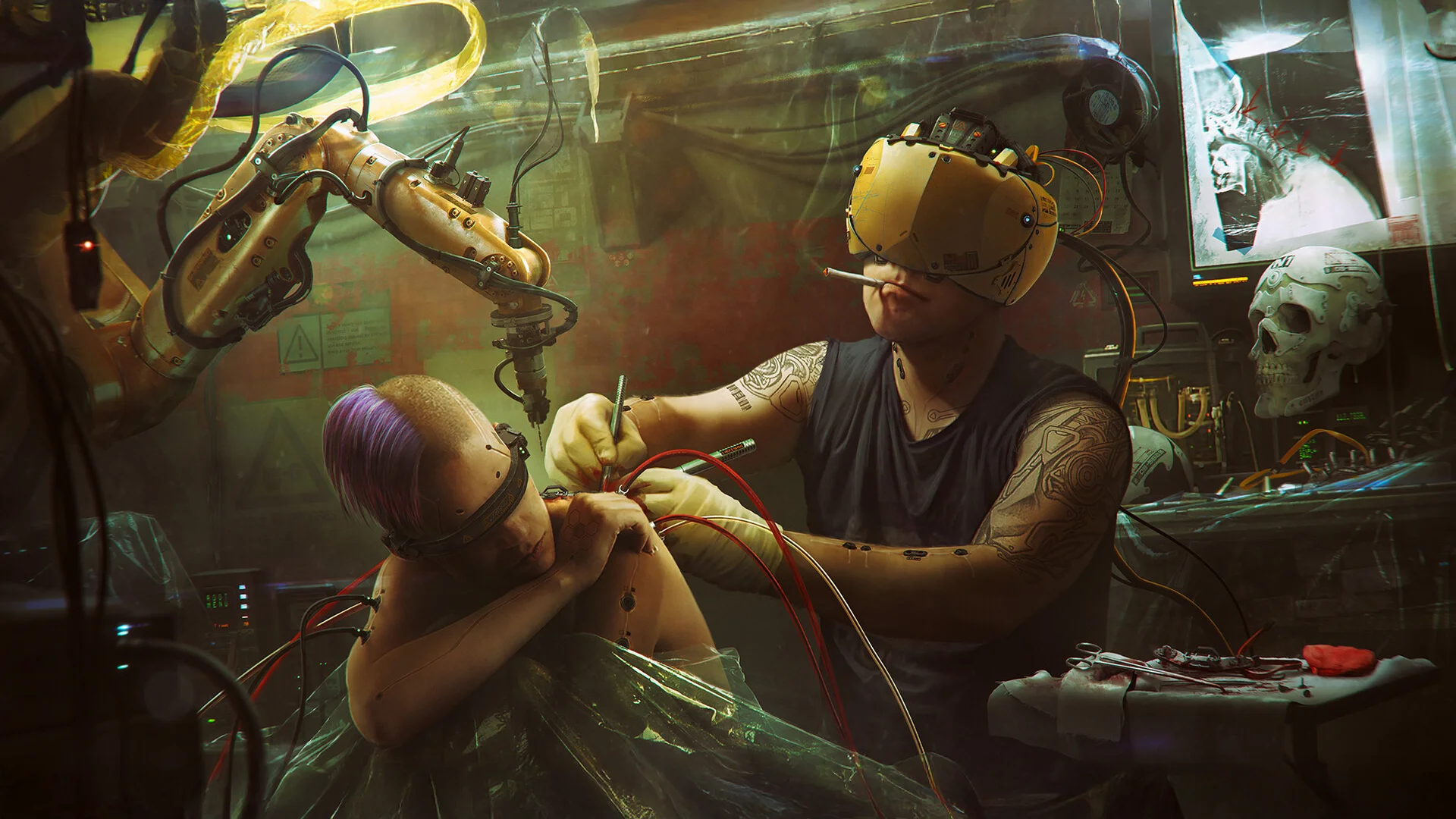
Fyodorov posed a fundamental question to humanity, one that no one before him had dared to formulate so radically. Is it fair that the living enjoy the benefits of civilization while literally standing on the ashes of countless generations of ancestors who built it Is it fair that billions of people—fathers and mothers—lived their short lives in grueling labor, bloody wars, and suffering, only to vanish into oblivion without ever seeing the world for which they sometimes sacrificed their very lives
- The first task is tactical: achieving unlimited longevity, absolute health, and eternal youth for all living people through biotechnology. Aging is to be viewed as an atavistic genetic program that must be abolished for the human species.
- The second task is strategic and paramount: the subsequent return to life, the recreation of all past generations. Fyodorov argued that humanity must make a qualitative leap in its relationship with nature, moving from passive contemplation and predatory exploitation to its active regulation.
As the highest manifestation of conscious matter, humanity is duty-bound to become its ruler. We must learn to control the weather and prevent earthquakes, droughts, and other natural disasters. In the long term, we must control matter at the atomic level. The ultimate goal of this total mastery over the laws of nature is to acquire the ability to "gather what has been scattered." This means using all available information about the past to reconstruct the bodies and personalities of everyone who has ever lived from the atoms dispersed throughout space.
This idea, staggering in its scale, had a colossal influence on Russia's intellectual elite. Fyodor Dostoevsky saw in it a practical answer to his agonizing search for universal harmony and active love. Leo Tolstoy, despite all his philosophical differences with Fyodorov, admired the moral purity and power of his vision. The philosopher Vladimir Solovyov developed Fyodorov's ideas in his doctrine of Godmanhood, which he defined as humanity's active participation in the transformation of the world.
But most importantly, this philosophy found direct and practical expression in the works of Konstantin Tsiolkovsky, whom Fyodorov mentored for several years. As Tsiolkovsky himself later admitted, "Fyodorov took the place of university professors for me." The founder of astronautics saw space exploration not merely as a technical challenge, but as a direct and necessary condition for realizing Fyodorov's "Common Task."
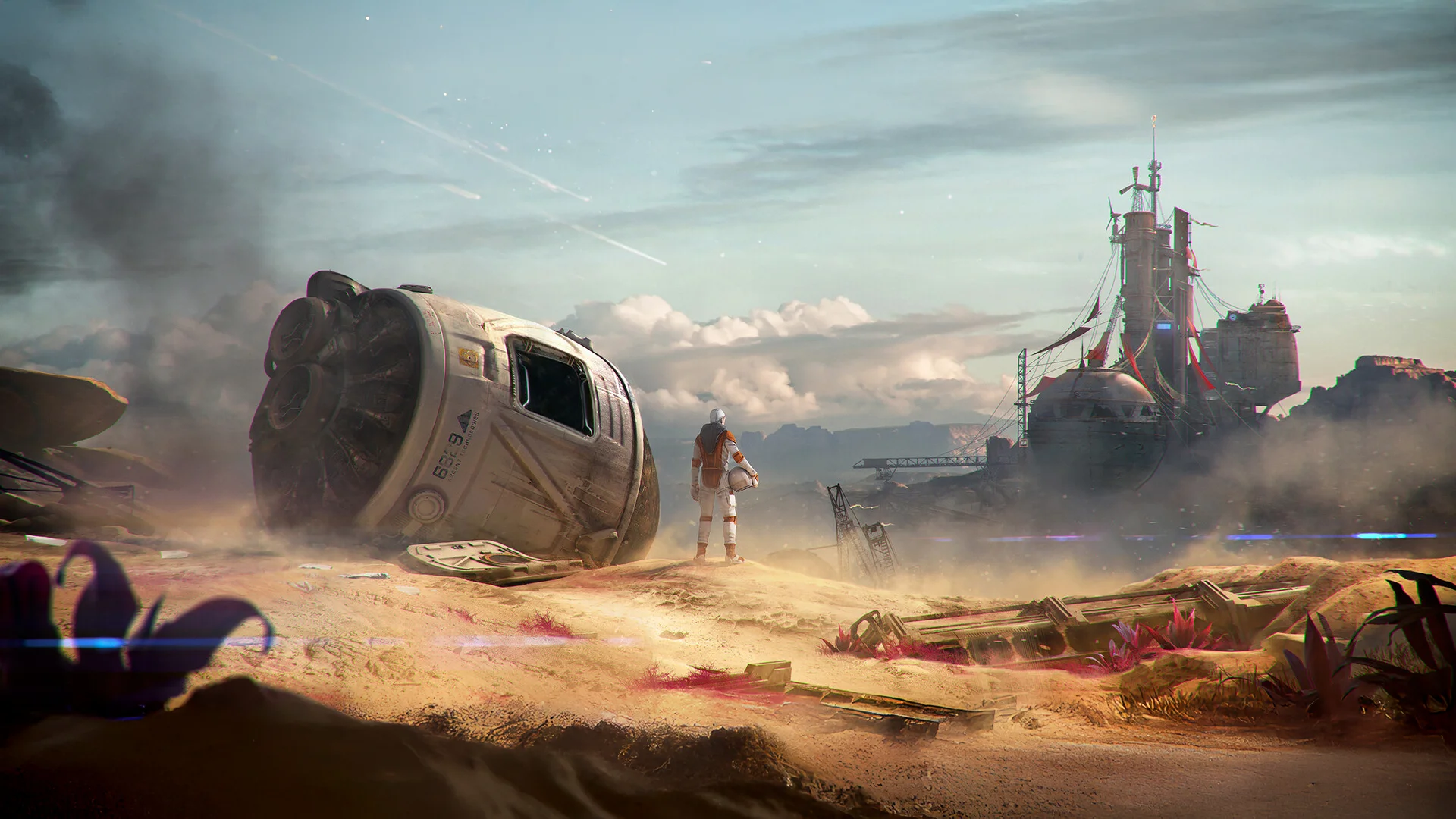
It was under Fyodorov's influence that Tsiolkovsky addressed the inevitable question: "Where will the resurrected billions live" His answer was simple and sublime: "Throughout the universe." Space expansion was never an abstract dream; from the very beginning, it was a necessity dictated by a supreme moral duty to our ancestors.
Psychology
Before considering the technological aspects of the resurrection project, we must analyze the deeply rooted psychological barriers that prevent even the discussion of the idea of immortality.
Human civilization is built on a cultural foundation that can be described as a "deathist paradigm." This is not merely an acknowledgment of the biological fact of life's finitude; it is a highly complex, multi-layered system of psychological defenses developed over millennia to reconcile us with the existential dread of non-existence.
From early childhood, individuals are immersed in a cultural environment that, at every level—from religious dogma to works of art—instills the idea that death is "natural," "inevitable," and even somehow "necessary" to give life meaning. Religions offer concepts of an afterlife, downplaying the tragedy of physical decay. Philosophical schools teach the stoic acceptance of fate and the search for meaning precisely within the finitude of existence. Art sometimes aestheticizes decline, turning it into a subject of tragic catharsis.
Together, all of this forms a powerful cultural anesthetic, allowing the human mind to function without being paralyzed by the constant awareness of its own doom.
At the same time, there is a clear contradiction between this culturally declared attitude and actual human behavior. The entire medical industry, the healthcare system, and the trillions of dollars circulating in biotechnology, pharmaceuticals, and the health and beauty industries all offer irrefutable proof: at a deep, instinctive level, humans wage a desperate and uncompromising struggle to prolong life and delay death.
However, as soon as the conversation shifts from a tactical struggle for a few extra years of life to a strategic goal—radical life extension and the achievement of biological immortality—a protective cultural mechanism kicks in, which can be defined as "immortophobia."
Typical Objections and Their Analysis
The objection of "boredom." The claim that eternal life would be unbearably boring is based on a flawed extrapolation of our limited experience of finite life onto eternity. It fails to account for the virtually infinite complexity of the universe itself, the boundless horizons of knowledge, art, and self-expression, as well as the individual's potential for growth and transformation. Boredom is not a consequence of having too much time, but of lacking the resources and opportunities for inner development, exploration, and experiencing the vast array of the new and different.
The objection of "loss of meaning." The thesis that the value of life is determined by its brevity is a classic example of the cognitive bias known as "sour grapes." The meaning of an activity is determined not by an external deadline, but by its intrinsic content: creativity, knowledge, love, and creation. The finitude of life forces us to seek meaning in a "legacy"—a surrogate for immortality—whereas an unlimited life would allow us to find far more meaning in the very process of being, moving, and evolving.
The objection of 'overpopulation' is the most pragmatic, yet also the most short-sighted. It projects current resource and territorial constraints onto the civilization of the future. The technological level required to control aging will inherently solve energy and living space issues. Space expansion, as envisioned by Tsiolkovsky, is a logical and inevitable consequence of the project to abolish death.
The core of these objections is not rational analysis, but an unconscious defense of a familiar and therefore psychologically comfortable worldview centered on death. The current attitude of the majority toward the idea of immortality is akin to how people in the past viewed the abolition of slavery, the eradication of infant mortality, or the victory over the plague. All of these were once considered 'natural,' 'pleasing to God,' and inevitable parts of the human condition.
Yet the entire history of scientific and technological progress is a story of consistently turning 'inevitabilities' into solvable engineering problems. And the first, most crucial step on this path is psychological: recognizing what is possible.
The Future
To appreciate the scale of the coming changes, let us use an analogy. Imagine a sixteenth-century caravan leader. His world is measured by the speed of a camel. His reality consists of months of travel, dusty roads, and danger. Try telling him about military transport aviation. Your explanation of a multi-ton iron structure would sound to him like a fairy tale about a magic carpet. Words like "aerodynamics," "jet engine," and "aviation fuel" would mean absolutely nothing to him. He would fail to grasp it not because he is foolish, but because his conceptual system lacks the basic categories required for understanding. Between his civilization and ours lie several fundamental scientific revolutions and paradigm shifts.
Technological progress is accelerating exponentially. Biotechnology, artificial intelligence, quantum computing, and nanotechnology are not just new tools. They are game-changing technologies. We stand on the threshold of a technological singularity—a moment when development becomes so rapid that it will be beyond the comprehension of the pre-singularity human mind.
Therefore, when concepts like "intertemporal transfer" or "atom-by-atom assembly" of a human being are discussed within the philosophy of cosmism, we must understand that this is an attempt to describe the phenomena of a post-singularity world using an extremely limited, pre-singularity language.
The Exponential Nature of Progress
We tend to think linearly when evaluating the future. Human intuition, shaped in a world with relatively slow rates of change, extrapolates future possibilities additively—one, two, three, four, five—while scientific and technological progress develops according to a multiplicative, exponential law—two, four, eight, sixteen, thirty-two, sixty-four. This difference in forecasting models creates a constantly growing gap between the expected and actual trajectory of civilization, making the distant future fundamentally unimaginable to the present.
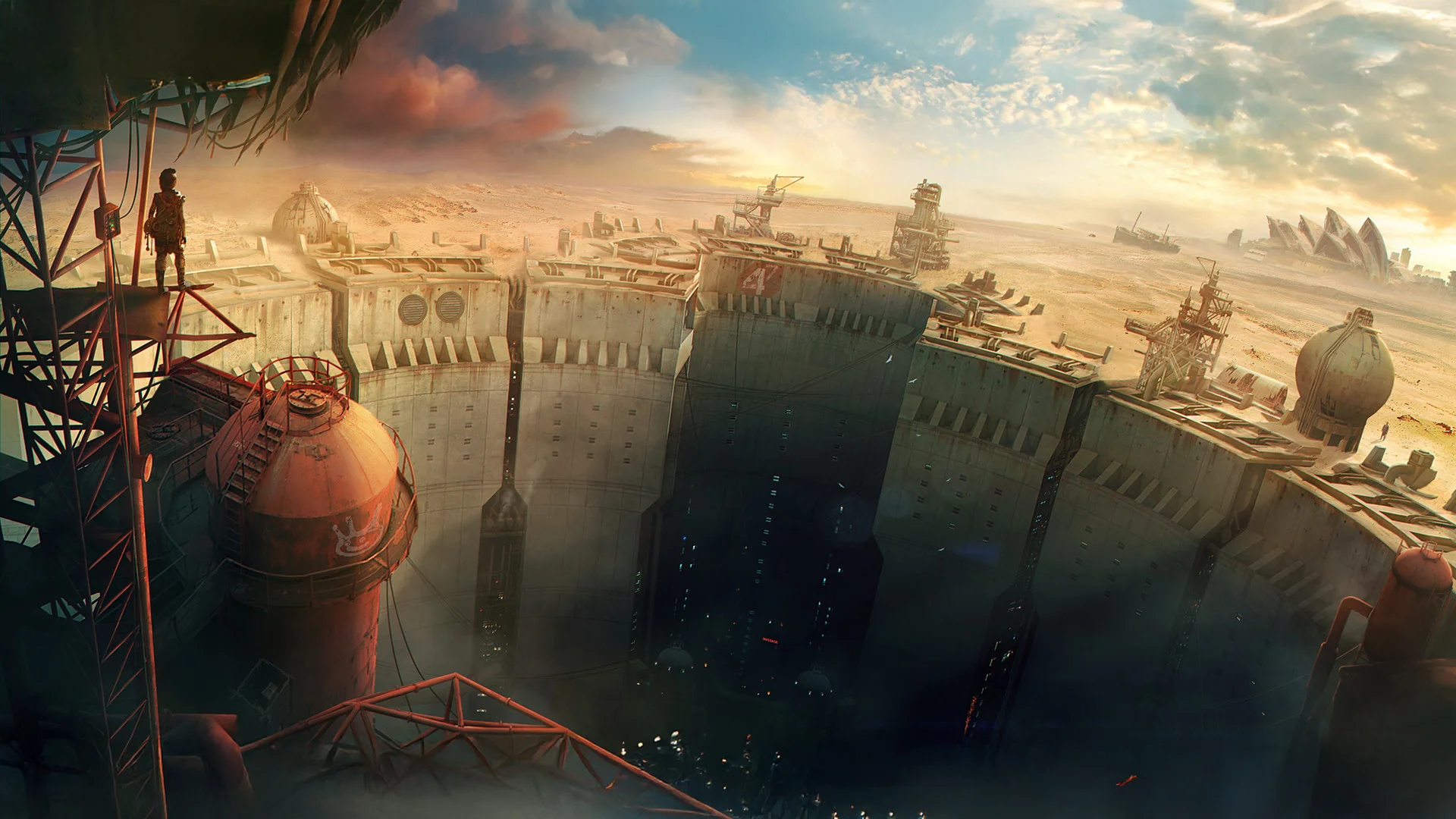
Even today, we can see technologies on the horizon that are not just improvements to existing tools, but fundamental game-changers:
Artificial intelligence is not just a faster calculator. The development of Artificial General Intelligence means the emergence of a non-human intellect capable of self-improvement in a runaway feedback loop. This will lead to a cognitive leap incomparable to anything in the history of biological evolution.
Quantum computing is not just about more powerful computers. It operates on a fundamentally different level of reality, using the effects of superposition and entanglement to solve problems—such as molecular modeling or cryptography—that are fundamentally unsolvable for any classical computer, even one the size of the universe.
Nanotechnology in its mature form—molecular assemblers—is not just about miniaturization. It is the software-controlled manipulation of matter at the atomic level, which will allow us to build any physical structure with atomic precision and at a potentially extremely low cost. In the very long term, this technology could be used to reshape entire planets, rather than just producing food or residential areas.
The combined development of these fields, and their mutually reinforcing convergence, is leading civilization toward a technological singularity and an economy of abundance.
A rational approach requires acknowledging our cognitive limitations and accepting that future reality will be immeasurably stranger and more powerful than anything described in contemporary science fiction.
Technology
Today, the primary approach to bringing back past generations lies in reformulating the task itself. Instead of trying to somehow reassemble the highly complex structure of a personality from the entropic chaos left by a decaying body, it is proposed to preserve the information about this structure at the very moment before its decay begins.
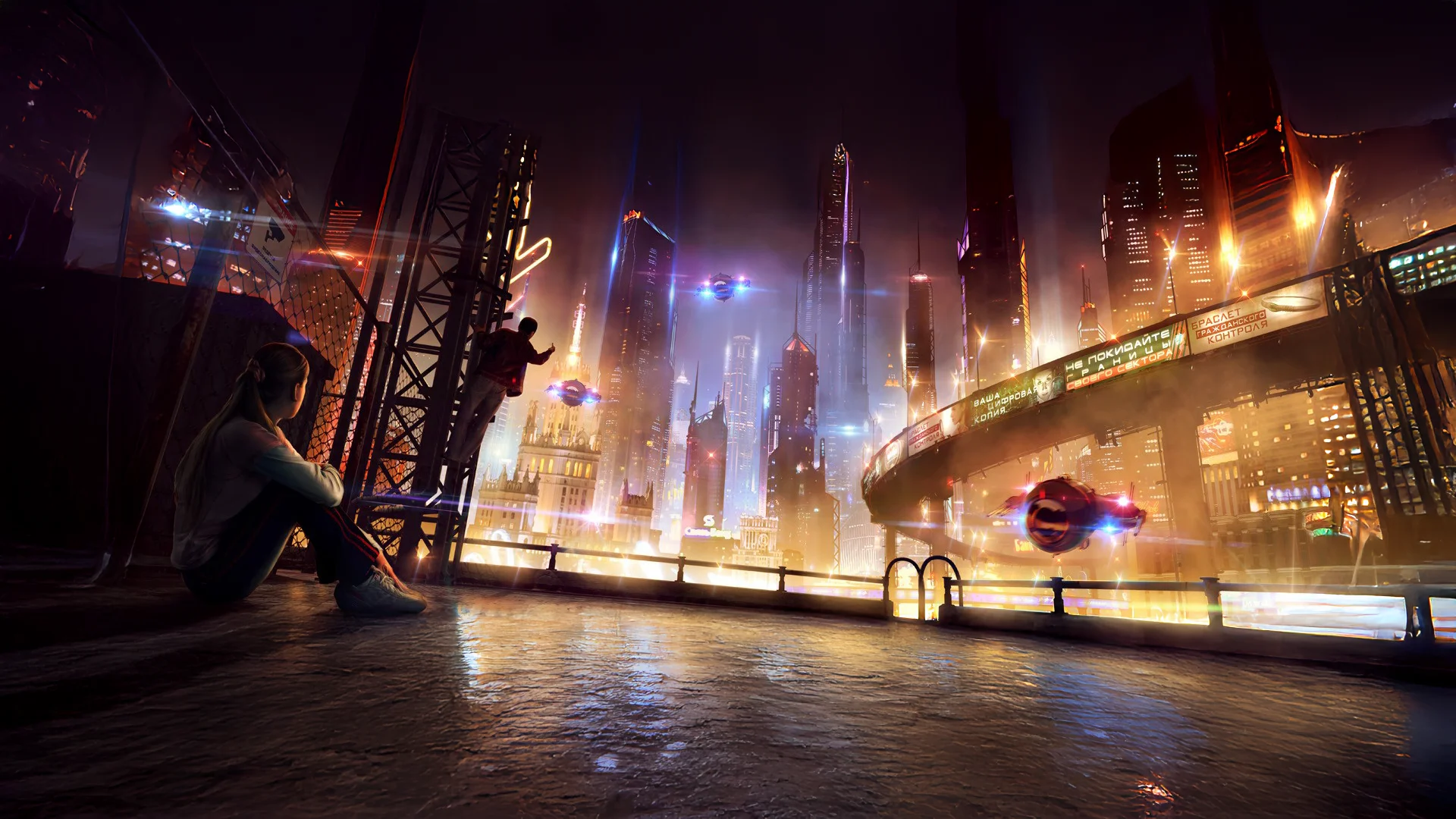
At its core is a hypothetical mechanism of a global, time-extended act of salvation, carried out by a future super-civilization, likely consisting of our descendants. This mechanism can be described as a process of transchronological transfer.
Options for implementing salvation
- The first option is information copying. In the very last moment before an individual's biological death, future technology performs an instantaneous and complete scan. This is an ultra-complex process where all the information making up the personality—from the macrostructure of the body to the exact configuration of neural connections, or connectome, and the quantum state of every elementary particle—is copied and immediately recreated, atom by atom, at another, safe point in space-time: that is, in the future.
- The second option is physical relocation. This involves physically moving the dying person in their final earthly moment through space and time into a resuscitation facility of the future. To ensure causal consistency, a biological duplicate—a simulacrum of the terminal state—is placed in the extracted person's stead at that exact same instant. The simulacrum is a sufficiently similar, yet non-conscious material copy that replicates all the physiological parameters of the original at the moment of death. This duplicate goes through the observable stages of dying, death is pronounced, and the body undergoes standard ritual procedures.
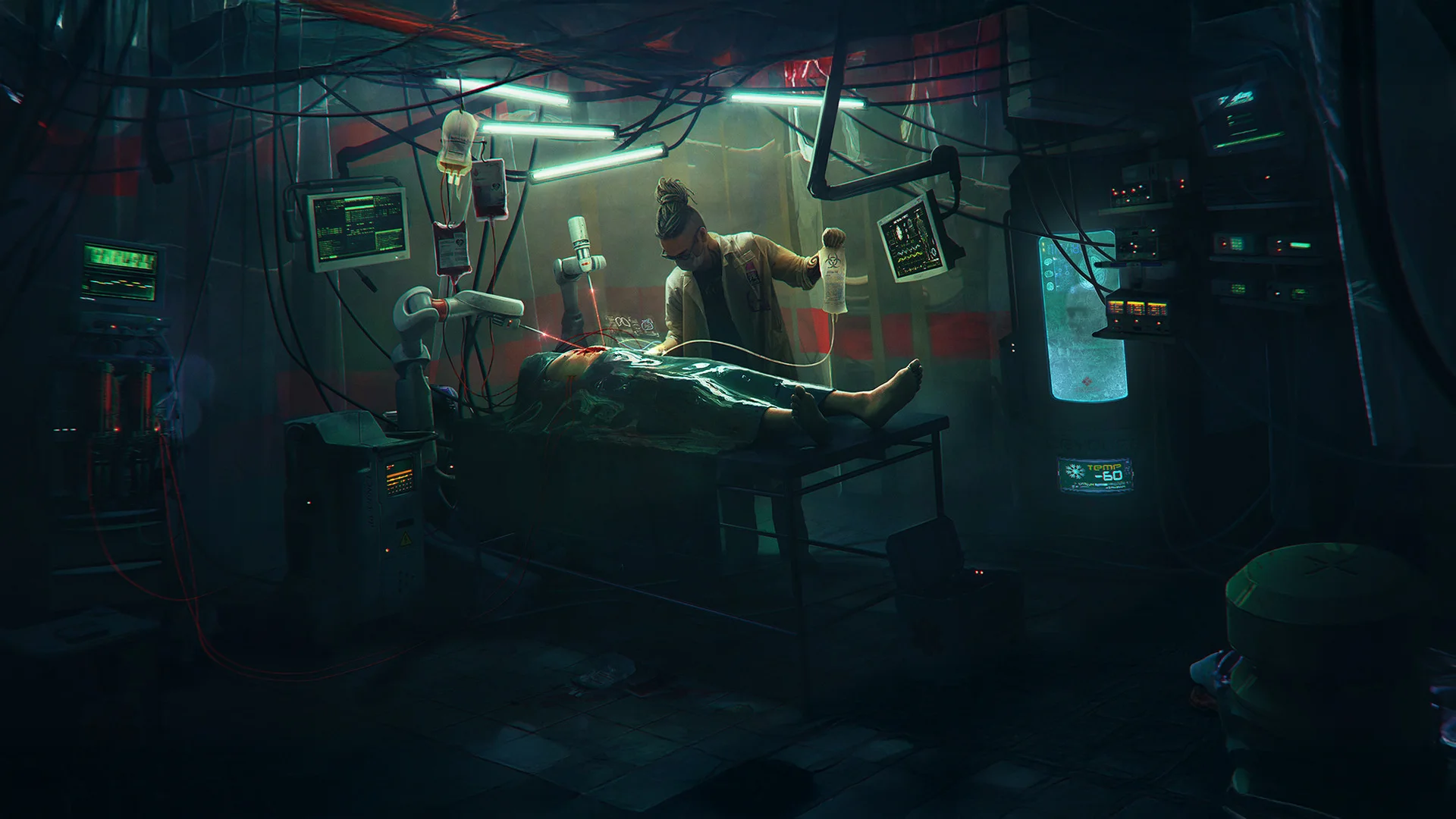
Thus, for all observers in the past, the historical narrative remains unchanged, and the act of salvation goes completely unnoticed. The actual person, meanwhile, ends up in the technological environment of the future, where their body undergoes resuscitation, regeneration, rejuvenation, and subsequent rehabilitation to adapt to the new reality.
Physical foundations
The seemingly fantastic nature of these ideas is based on intuitive, everyday notions of time as a linear and absolute flow. However, modern physics, starting with Einstein's General Theory of Relativity, has long proven that time is relative and flows at different rates. The space-time continuum is plastic and dynamically warps under the influence of mass and speed.
Time is not uniform throughout the universe. Moreover, the equations of General Relativity allow for the existence of so-called wormholes, or Einstein-Rosen bridges—tunnels connecting distant regions of space-time. Such structures can connect not only different points in space, but also different moments in time, opening up theoretical possibilities for leaps into the past and the future.
Today, potential problems with stabilizing such bridges are already apparent. However, they should be viewed as highly complex engineering challenges for a future civilization, rather than fundamental prohibitions by the laws of physics.
The principle of retroactivity
The key to understanding the entire concept is the principle of retroactivity. If a technology that allows access to the past is possible in principle—even if that access is only informational rather than physical—then it does not matter when it is created, whether in a thousand years or a million.
From the moment of its creation, it grants its operators access to the entire preceding historical continuum. For a civilization that has mastered such technology, the whole of human history appears as a static, completed four-dimensional object, with every single point accessible.
Consequently, the act of salvation is not something that will happen in our future. Rather, from the perspective of a higher temporal axis, it is already being carried out, or has already been accomplished, by the civilization that eventually creates this technology. By its very nature, its operation extends to the entire past, including our present moment.
Logistics
Implementing the project to restore all past generations presents its creators with an incredibly complex challenge—one that is not only technological, but also logistical, ethical, and socio-psychological.
The question is where and, more importantly, how to accommodate billions of rescued people drawn from vastly different historical eras, cultural matrices, and belief systems. Directly integrating all these individuals, separated by millennia of development, into a single society of the future is not just impractical—it would be an act of extreme psychological violence.
It is hard to imagine the harmonious coexistence of, say, a Roman legionary with his ideas of slavery and honor, an ascetic medieval monk, and an atheist Soviet engineer within a single social structure. The clash of their worldviews, ethical norms, language barriers, and even basic ideas about hygiene and science would lead to irreconcilable conflicts and profound personal trauma.
The Concept of the HyperWorld
The solution to this problem is the concept of the HyperWorld. This is not a single, unified world, but a designed, complex, and constantly expanding multiversal system made up of many interconnected realities. These realities could be terraformed planets or highly realistic simulations physically indistinguishable from actual reality.
The main goal of the HyperWorld is to ensure a smooth, humane, and individually tailored adaptation for every resurrected person.
At the heart of this system lies the principle of maximum psycho-historical alignment. According to this principle, upon awakening after being retrieved from the past, each rescued person does not immediately enter the world of the far future. Instead, they arrive in a specially recreated 'starting' reality. This reality will closely match their deep-seated cultural, religious, and personal ideas of the afterlife or post-mortem existence.
In practice, this means:
- A fierce Norse warrior fallen in battle will indeed find himself first in Valhalla, complete with feasting and combat.
- A righteous Christian will awaken in a reality that matches their conception of Heaven.
- A convinced materialist or atheist will find themselves in a comfortable and logically explainable technological environment, where they will be politely offered medical rehabilitation and perhaps given a clear, immediate explanation of the nature of their surroundings.
For the consciousness of the resurrected, the transition from life to the 'afterlife' must occur without disruption or shock, aligning with their expectations. This act is an expression of the highest humanism, as it prioritizes psychological comfort and personal integrity over the forced acceptance of an alien and incomprehensible truth.
The Adaptation Process
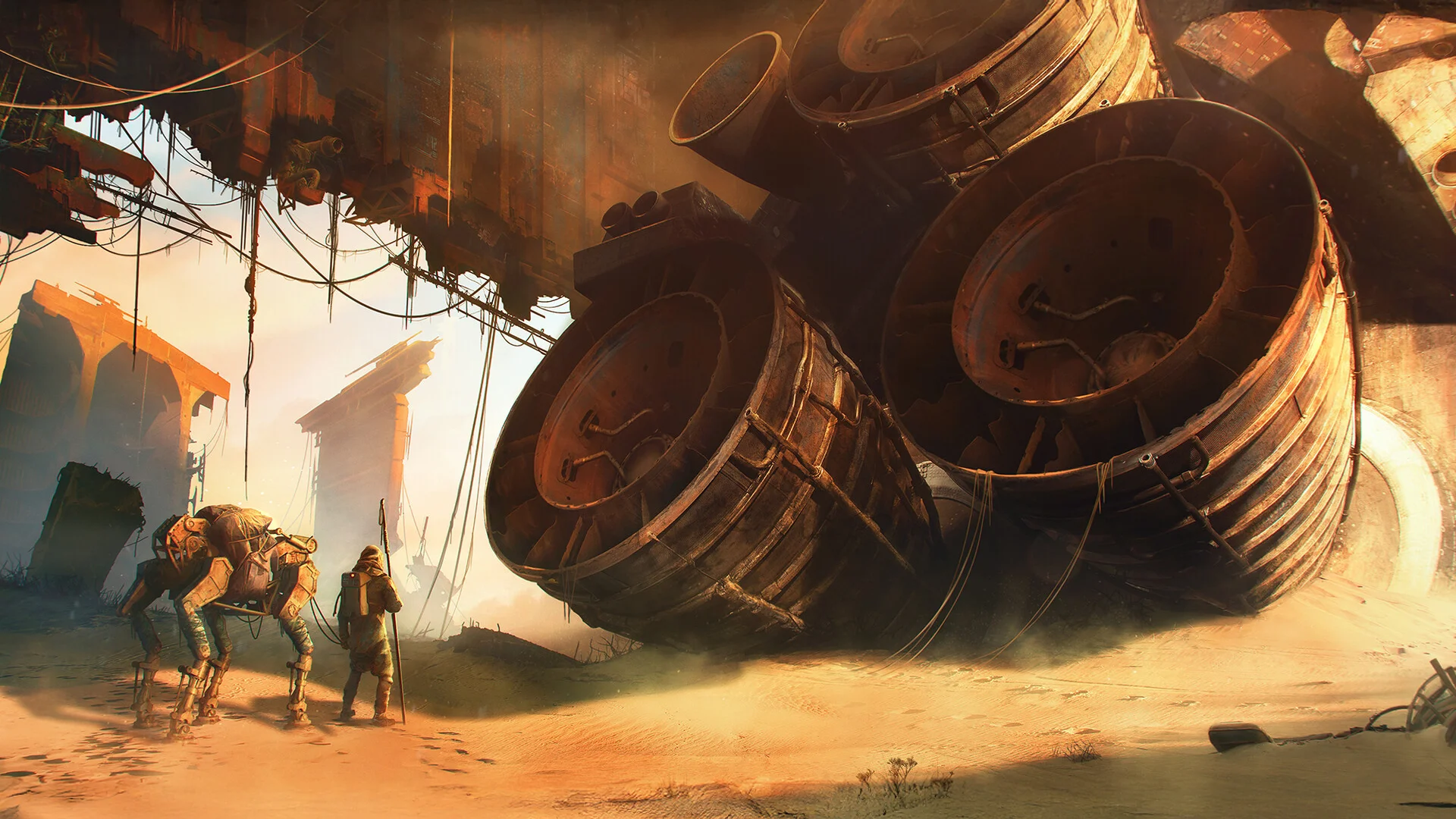
In this 'starting' reality, a gradual and delicate adaptation process begins. A key role in this will likely be played by 'guides' or mentors—typically individuals resurrected earlier who have already gone through this stage and belong to a similar or related cultural and historical era. They are well-equipped to establish a relationship of trust with the newcomer.
The learning process is not a didactic imposition of knowledge. Instead, it is built on the Socratic method. Through dialogue and the gradual introduction of small, logically inexplicable anomalies into their starting reality, guides gently nudge the individual to think for themselves and question the nature of this new world. Gradually, they uncover the truth of what happened to them, where they are, and the boundless opportunities for travel, personal growth, and discovery that lie ahead.
As their awareness and psychological readiness grow, the individual gains the right to move freely between the worlds of the Hyperworld. This system is not just a chaotic collection of worlds, but a structured multiverse. It features historical reconstructions of entire eras, worlds dedicated to specific arts or sciences, cosmic-scale nature reserves for solitary contemplation, and much more. The right to travel freely marks the completion of their adaptation and the acquisition of full citizenship in this new, unified civilization.
The Hyperworld, therefore, is a vast system that can be metaphorically described as both a purgatory and a university. It is a purgatory because it allows the individual to cleanse themselves of the traumas, prejudices, and limitations of their past, finite life. And it is a university because it provides endless resources for learning, self-improvement, and creative fulfillment.
This is not merely a logistical solution, but the only ethically acceptable way to integrate the colossal wealth of human experience into a single, harmonious civilization of the future, while respecting and preserving the unique path of every individual.
Goals
The intermediate goal of the project described within the philosophy of cosmism is to create a society and a habitat on Earth that can be characterized as a "Man-Made Paradise."
It is important to distinguish this concept from traditional religious and mythological ideas of paradise. In classical doctrines, paradise is a static, afterlife state of eternal bliss—a reward for a righteous life, characterized by the cessation of all active struggle.
In contrast, the concept of a Man-Made Paradise is dynamic and active. It is not a place of eternal idleness, which would inevitably lead to stagnation and personal degradation. Instead, it is a carefully designed society whose entire structure is aimed at maximizing and fully realizing the creative, intellectual, and spiritual potential of every individual.
We need a positive environment that removes the basic limitations imposed on humans by blind biological evolution and a history full of hardship and exploitation. This will require the unification of humanity—a new type of globalization based on the principles of planetary responsibility, peaceful cooperation among the world's nations and peoples, and an ethic of universal brotherhood and kinship.
The Economy of Abundance
The foundation and economic basis of such a planetary society is an economy of abundance, or a post-scarcity economy. We are already approaching this through the convergence of artificial intelligence and robotics. In the future, this will be reinforced by two promising technological breakthroughs.
- First, the control of matter at the atomic level through mature molecular nanotechnology. Hypothetical molecular assemblers will be capable of constructing any physical object with atomic precision from the simplest raw materials—such as atoms of carbon, oxygen, hydrogen, and others from the periodic table—making the production process virtually free.
- Second, access to virtually inexhaustible energy sources, up to the full utilization of the parent star's energy—a hypothetical Dyson sphere—and the transition to a Type Two civilization on the Kardashev scale.
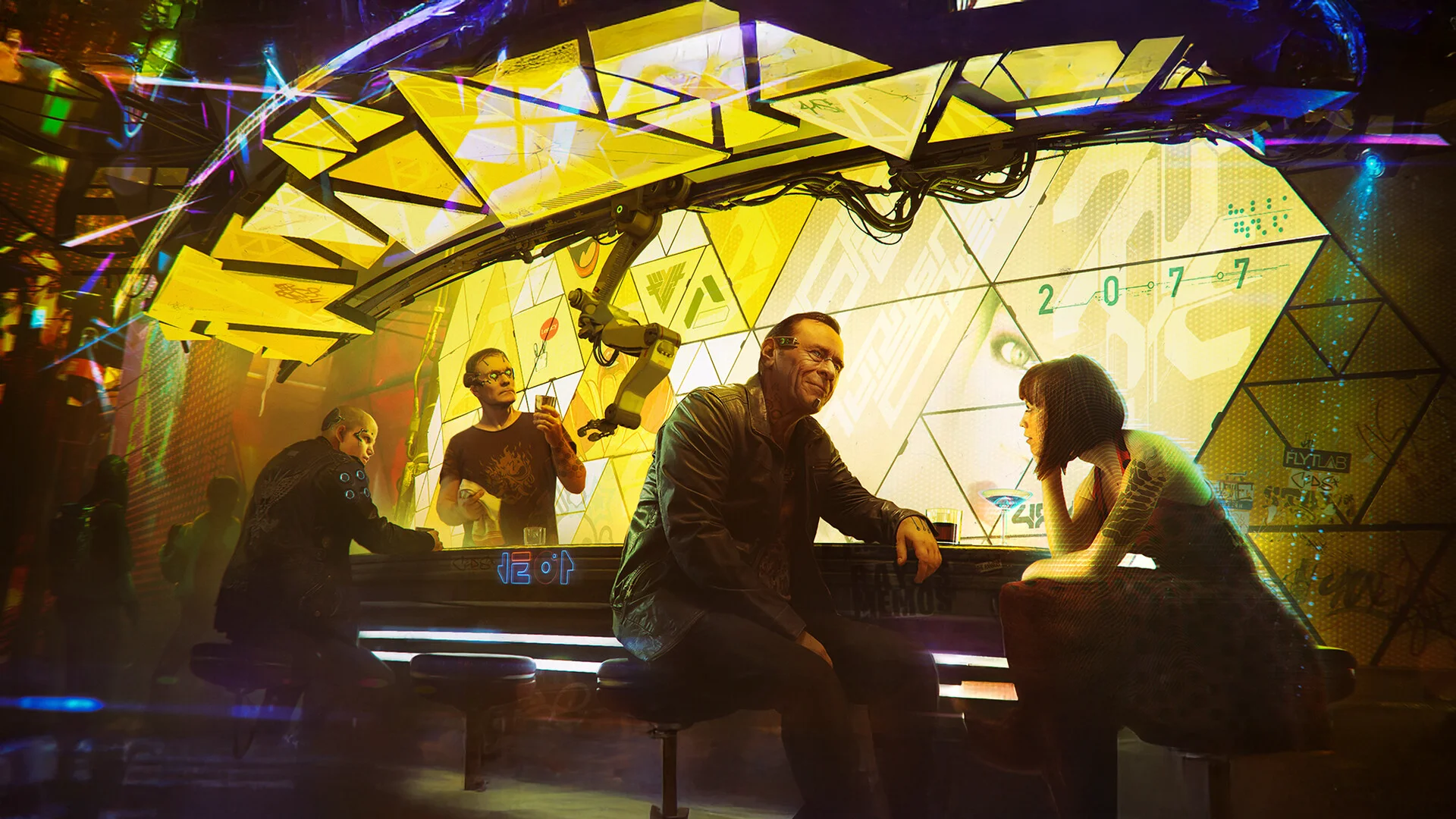
Long before reaching such advanced technological levels, traditional economic concepts like scarcity, resource ownership, and cost will lose their meaning. The struggle for resources, which has driven the vast majority of wars, conflicts, and social inequalities throughout human history, will likely be completely eliminated as a phenomenon.
Psychophysical Perfection
Built upon this economic foundation is the psychophysical perfection of individuals. Future technologies will not only maintain eternal biological youth and absolute health, but will also enable the conscious management of one's psycho-emotional state.
On the physical level, this will likely be achieved through the continuous operation of medical nanorobots, repairing any DNA damage and cellular defects in real time.
On the psychological level, this is not about forced happiness, but about creating a biological foundation for a stable and harmonious psyche. This implies the ability to precisely regulate the brain's neurochemical balance, eliminating evolutionary instincts that are no longer needed, such as irrational aggression, territoriality, xenophobia, and existential fears.
This will be a world without clinical depression, panic attacks, or uncontrolled rage. It will be a world of high vital energy, cognitive clarity, and the joy of being as the natural background for any activity.
Freed from the humiliating struggle for biological survival, humans will be able to dedicate themselves to whatever they wish. This includes the highest forms of activity: gaining knowledge, creating new and currently unimaginable forms of art, exploring and colonizing space, designing and managing worlds, and, most importantly, learning and self-improvement. Life will transform from a series of sufferings and brief respites into an act of creativity, discovery, and other everyday joys.
Which of these worlds would you visit first And where would you go next Who knows, perhaps everyone really will receive according to their faith and hope. One only needs to imagine what they desire beforehand, preferably in clear and detailed terms.
Cosmic Expansion
A man-made Paradise cannot remain confined to planet Earth for long—the laws of astrophysics are inexorable. In about five billion years, the Sun will enter its red giant phase, and its expanding photosphere will swallow and incinerate the Earth. There are also other, more immediate cosmic threats, ranging from major asteroid impacts to nearby supernova explosions.
Therefore, cosmic expansion becomes the ultimate mission and strategic imperative for an immortal humanity. This is not just a romantic yearning for the stars, but an absolute necessity for the guaranteed and virtually eternal existence of civilization.
The process of settling the Galaxy, terraforming planets, and creating numerous artificial habitats is the only reliable insurance against any local catastrophes. This process can be seen as exporting life and mind into the Universe—a purposeful spread of negentropy, of ordered and complex systems, into a cosmos largely ruled by the blind laws of entropy. At its ultimate limit, Russian cosmism is about bringing reason and sowing goodness on a universal scale.
Dichotomy
History has repeatedly shown that any technological tool of significant scale possesses a fundamental duality. Nuclear energy can light and warm cities, or it can incinerate them. The internet can serve as a means of global enlightenment and connection, or as an instrument of total control and disinformation.
The technologies of immortalism represent the pinnacle of this duality, because the stakes here are raised to the absolute limit. We are talking not just about life and death, but about eternal existence in a state of either harmony or unimaginable suffering.
The potential of resurrection technology itself has a dark, terrifying side. The very same technological foundation capable of bringing us all into Heaven can, with even greater ease, be used to create an absolute, airtight, and eternal technological Hell.
One can imagine a world where biological death is completely eliminated, but where everyone's life is turned into an endless, Kafkaesque torture. In the hands of a totalitarian regime or a hostile artificial superintelligence, such power becomes the ultimate tool of oppression. A future dictator would not just be able to kill his enemy, but could subject him to an endless cycle of torment, execution, and forced resurrection.
In such a world, the living might indeed envy the dead, yet there would be no dead left at all.
The Asymmetry of Creation
The most crucial aspect of this dichotomy is the asymmetry of creation. A technological Hell is immeasurably easier to build than a Heaven.
Building Hell requires only absolute power and primitive cruelty. Hell is a low-complexity system based on simplification, suppression, and total control.
A man-made Heaven, by contrast, is an ultra-complex, dynamically balanced system that requires free will, the infinite diversity of billions of unique individuals, and a harmonious combination of their disparate interests and contradictions. From a systems theory perspective, creating and maintaining such a highly organized, negentropic configuration requires immeasurably more wisdom, empathy, and computational resources than building a primitive tyranny.
For Hell, the will of a single despot is enough. For Heaven, consensus and the highest level of societal development are required.
The supreme religion of fascism is anti-communism. The mere sight of a hammer and sickle on a red background still makes transnational and other corporate scum everywhere shudder and writhe.
This is precisely why remaining silent about these prospects and their potential consequences is irresponsible. The development of key technologies—AI, nanotechnology, and neural interfaces—is already in full swing, driven by military, commercial, and medical interests. Humanity is moving toward acquiring this godlike power, regardless of whether we are ethically ready for it or not.
If, by the time these technologies are acquired, civilization is still eroded by hatred, greed, nationalism, and distrust, it is almost guaranteed to choose the path of least resistance—the path toward building some form of technological Hell.
In this context, the philosophy of Russian cosmism presents humanity with the ultimate and perhaps final choice in its history. This is not simply a choice between different political systems or ideologies. It is a choice between two eternities. Either humanity will unite to realize Fyodorov's 'Common Task' and consciously build a shared Paradise, or its current division will lead to a collective, inescapable Hell from which there may be no return.
Conclusion
Modern civilization is in the grip of a deep systemic crisis. It manifests not only in geopolitical fragmentation, intensifying resource competition, and growing environmental threats, but also in an existential vacuum—a crisis of meaning.
Old ideological and religious systems have largely lost their unifying power, while the new ones offered by consumer society lack the gravity to mobilize humanity's creative potential. Our civilization, though possessing significant technological power, lacks a global goal commensurate with that power. This creates a state of dangerous uncertainty and channels colossal energy into mutual hostility. In place of the exhausted 'isms' that have worn each other out, the future must become our new religion, philosophy, and ideology.
In this historical context, the philosophy of Russian cosmism offers a paradigm capable of leading humanity out of its civilizational impasse. It provides that very 'guiding star'—a great, supranational, all-encompassing idea with the potential to truly unite all people, regardless of race, nationality, or creed.
The project of achieving immortality and the subsequent resurrection of all ancestors is unique because it is inherently non-competitive. Ontologically, it defines the only true enemy of all humanity—not another nation or ideology, but Death itself, along with chaos and entropy as fundamental forces of decay, perhaps expressed in the biblical image of the 'beast from the abyss.' In the face of such an enemy, all internal human conflicts become a tragic absurdity and a counterproductive waste of precious resources.
Our common path lies in overcoming death and achieving universal resurrection to spiritualize the world.
Practical priorities
The vast majority of deaths today occur from natural causes, not from violence or accidents. Most fatal illnesses are age-related—from cardiovascular diseases, which top the mortality charts, on down the statistical list.
From a scientific standpoint, much has been done in practice at the start of this century to understand the mechanisms and causes of aging. Technologies that could potentially address different parts of this overall problem are already being outlined. A great deal of information on this can be found in open sources, such as Open Longevity, the work of Aubrey de Grey, and others.
Russia's role and global cooperation
As the country whose intellectual environment gave birth to the philosophy of Russian cosmism, Russia possesses a unique historical heritage and archetype. Its role in this context is not to impose its will, but to offer this path to the world as the foundation for a new global agenda, including under the auspices of BRICS and the SCO.
This is a proposal to transition from a paradigm of global competition and confrontation, which leads to destruction and mutual exhaustion, to a paradigm of global cooperation and co-creation—uniting the planet's scientific, industrial, and cultural potential, including for the realization of the 'Common Task.'
The transformative power of ideas
The ideas presented in this project possess a transformative power. The process of comprehending, scientifically analyzing, philosophically discussing, and critiquing them is not a passive intellectual exercise, but a direct way of participating in shaping the future.
This is one aspect of the emergence of the noosphere predicted by Vernadsky, where collective scientific thought begins to purposefully shape the image of a desired reality, which is then realized in the material world through practical action.
The Ultimate Vision
The ultimate vision of this project is to build a future in which death, disease, suffering, and oblivion are permanently abolished. This is a future where every person, every unique individual, will be given the opportunity not only to continue their journey, but also to have eternity and the cosmos at their disposal for endless learning, co-creation, development, and surely something more.
This is the true realization of the purpose of reason—the complete triumph of conscious, ordered life over the blind and indifferent power of the universe.
HyperWorld: All roads to the best...